Loading...
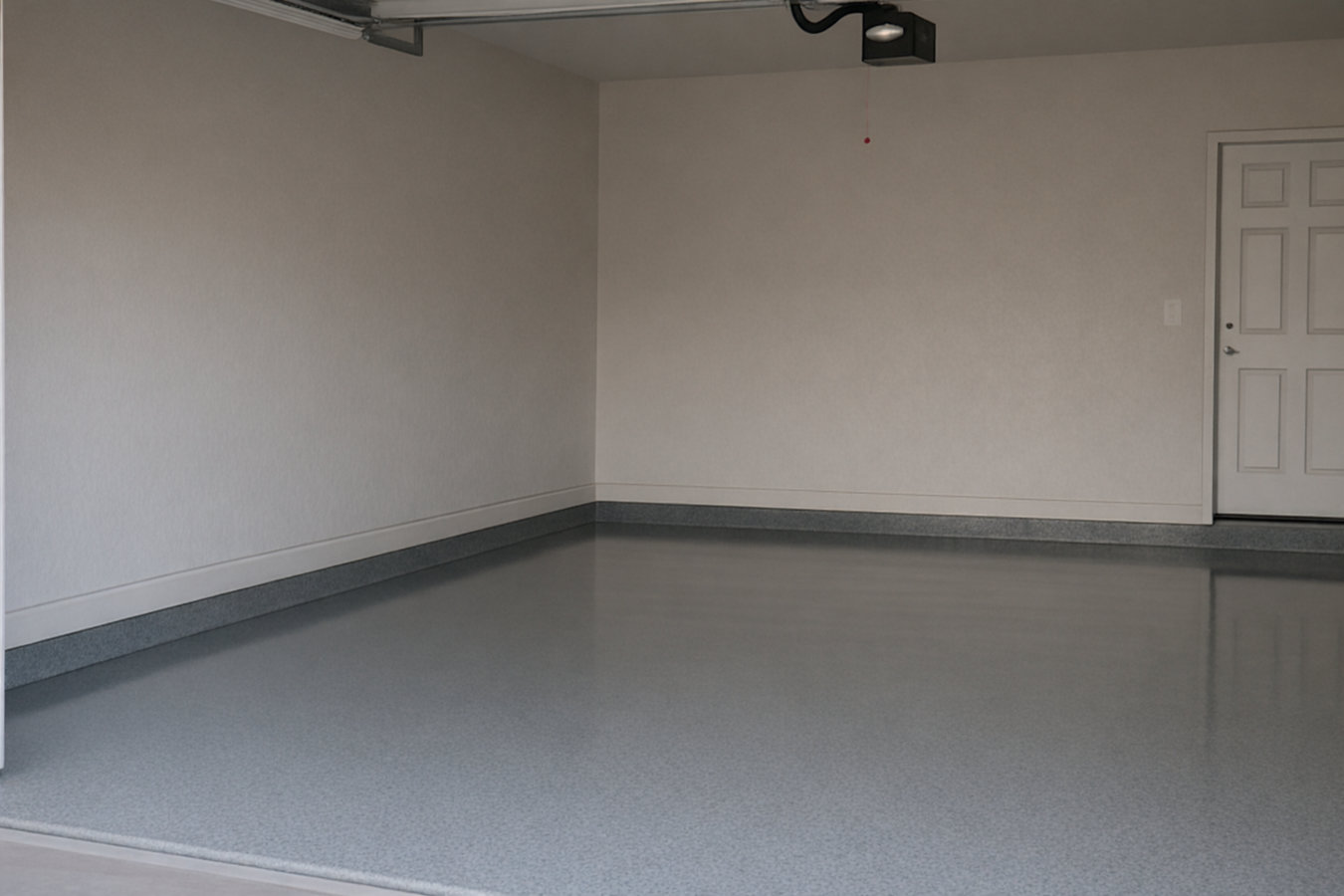
Cracked, damp, or crumbling floors are a sign the original slab was not built for El Monte's clay soil and hot summers. We replace them with a properly prepared, correctly cured floor that holds up for decades.
Concrete floor installation in El Monte, CA starts with preparing the ground - removing old material, compacting the base, and installing a moisture barrier for clay-heavy soil - then pouring, finishing, and curing a new slab. Most standard residential jobs take one to two days of active work, plus 24 to 48 hours before foot traffic and about a week before heavy loads.
Homeowners in El Monte most often call about floor installation when a garage, patio, or utility area has a slab that is cracking, damp, or simply worn out after 40 or 50 years. Many homes in the city were built between the 1940s and 1970s, and the original slabs from that era were poured without the moisture barriers and base preparation that are standard today. The consequence is floors that shift, crack, and absorb moisture in ways that newer work does not. If you are also considering updating an outdoor pool or patio area, our concrete pool decks service can be coordinated alongside a floor installation project.
The two steps that most affect how long a floor lasts in El Monte are base preparation and curing management. Clay soil requires more attention to drainage and compaction than sandy or loam soils, and El Monte's summer heat can cause the surface to cure unevenly if a contractor does not manage the pour timing and aftercare correctly.
If the same crack keeps reopening - or has grown wider than a quarter inch - the slab itself is failing, not just the surface. In El Monte, clay soil underneath shifts with the seasons, and that movement is usually what drives cracking from below. Patching at this point is a short-term fix; a full replacement addresses the underlying cause.
Water pooling on your floor after rain, or damp patches appearing in dry weather, means the slab has either settled unevenly or the original drainage was never adequate. El Monte's clay soil can cause slabs to tilt gradually over the years, changing where water flows. Persistent moisture leads to mold, damage to stored items, and eventual structural problems.
When the top layer of a concrete floor begins peeling off in thin chips or feels gritty underfoot, the surface has broken down past the point of repair. This often happens when the original pour was rushed or the concrete was not protected properly during El Monte's intense summer heat curing period. Once the surface layer is gone, the floor absorbs moisture and deteriorates faster.
If your home was built in the 1950s, 60s, or 70s - which covers a large share of El Monte's housing stock - the original concrete floors may simply be at the end of their useful life. Older slabs were often poured without modern base preparation or moisture protection. An aging slab that looks acceptable on the surface can still have significant structural weakness underneath.
Our concrete floor installation service covers every step from removal through final cure - demolition and hauling of the old slab, subgrade excavation and compaction, moisture barrier installation, formwork, the pour and finishing, and permit coordination with El Monte's Building and Safety Division when required. We install floors for garages, patios, laundry rooms, utility areas, workshops, and outdoor living spaces. When your plans include an outdoor floor that adjoins a pool area, our concrete pool decks service can create a continuous, matched surface around the entire outdoor space.
Finish options vary by use. A broom finish provides a slip-resistant texture suited for outdoor areas and driveways. A smooth trowel finish is easier to sweep and works well for garages, workshops, and covered utility spaces. For homeowners who want something more finished than plain gray concrete, our garage floor concrete service includes decorative coating options - epoxy and trowel finishes - that can transform a standard garage slab into a clean, durable workspace. We always recommend choosing the finish before the pour, not after, so the surface preparation is done correctly for that specific application.
Every floor we pour includes proper control joint placement - the planned cuts in the concrete that give it a place to flex without cracking randomly across the surface. On El Monte's clay soils, where seasonal movement is real, correctly placed control joints are one of the most important details in a long-lasting floor.
For El Monte homes with original 1950s-1970s slabs that have cracked, settled, or absorbed moisture - replaced with a properly prepared, moisture-protected slab suited for daily vehicle traffic.
A broom-finished outdoor slab for patios, side yards, or covered utility areas - graded for drainage so water flows away from the house rather than pooling against the foundation.
For homeowners converting a garage into a workshop, laundry room, or living space who need a level, moisture-protected slab built to current standards for interior use.
A properly permitted and inspected slab poured ahead of a room addition, accessory structure, or outdoor living area - built to pass city inspection and match the structural requirements of the planned build.
El Monte's native soil is clay-heavy - a characteristic shared across most of the San Gabriel Valley. Clay expands significantly when it absorbs water and shrinks when it dries out. That cycle puts pressure on concrete slabs from below, and it is the reason so many floors in older El Monte homes show cracking and settling that seems to come back no matter how many times the surface is patched. The fix is in the base, not the surface - and that requires a contractor who understands what is under the ground here.
Summer heat is the other local factor that shapes how floors are poured in El Monte. When temperatures exceed 90 degrees - which is routine from June through September - concrete poured without the right precautions can skin over on the surface while the interior is still curing. The result is a floor that looks fine for the first year and then starts flaking or developing a weak surface layer. Homeowners in Azusa and Arcadia face identical conditions - and we apply the same hot-weather pour management across every city in our service area.
El Monte's dense residential layout adds one more practical factor: equipment access. Many properties here have narrow side yards, low gates, or close-set fencing that limits where a concrete truck can position. We account for access constraints during the site visit and plan the pour accordingly - so your project does not get delayed or repriced because of a tight lot. Homeowners in Monterey Park - another dense, older city in the area - see the same challenges and we handle them the same way.
We ask about the area you want poured, roughly how large it is, and what you plan to use the space for. Then we schedule an in-person visit to confirm scope and site conditions - no honest contractor can give you an accurate price from a phone call. We respond within 1 business day.
After the site visit, you receive an itemized written estimate - not just a single number - covering demolition, base prep, the pour, finish, and any permit fees. We confirm upfront whether a City of El Monte permit is required and handle the application ourselves if it is.
The crew removes the old slab if there is one, excavates to the correct depth, and compacts the base. A moisture barrier is installed before any concrete is placed - essential on El Monte's clay-heavy soil. This preparation phase is the most important part of the job.
The concrete is poured, spread, and finished to your chosen texture. In El Monte's summer heat, we schedule pours for early morning and keep the surface damp during curing. If a permit was pulled, a city inspector checks the work before the job is officially closed out.
Written quote before any work begins. We handle permits, base prep, and inspection.
(626) 416-2401We hold a current California C-8 Concrete Contractor license and full liability insurance. You can confirm any contractor's license status in about two minutes on the California Contractors State License Board website at cslb.ca.gov - and we encourage every homeowner to do it.
El Monte regularly sees temperatures above 95 degrees from June through September. We schedule summer pours for early morning, use retarder additives when needed, and keep surfaces damp during the critical curing window. The American Concrete Institute's hot-weather concreting guidelines back every step of that process.
The San Gabriel Valley's expansive clay soil is harder on concrete floors than most homeowners realize. We have been installing floors on this ground since 2022 and include the correct base depth, compaction, and moisture barrier on every job - not as an upgrade, but as a standard.
Unpermitted concrete work can create problems when you sell your home or make an insurance claim. We pull every required permit from El Monte's Building and Safety Division, coordinate the city inspection, and give you a written estimate before anyone picks up a shovel - so the final invoice matches what you agreed to.
Concrete floor quality comes down to what happens before the truck arrives. We follow the American Concrete Institute's guidelines on subgrade preparation and hot-weather concreting, and we coordinate every permitted project with El Monte's Building and Safety Division. Every homeowner we work with gets a floor they can point to on record - not just something that looks right on the day of the pour.
Extend your outdoor living area with a pool deck poured and finished to the same standard as your new floor.
Learn moreA garage floor replacement with a dedicated finish - broom texture, trowel smooth, or decorative coating - built for vehicle traffic and daily use.
Learn moreWe respond within 1 business day, provide a written estimate at no cost, and handle every permit from start to finish.