Loading...
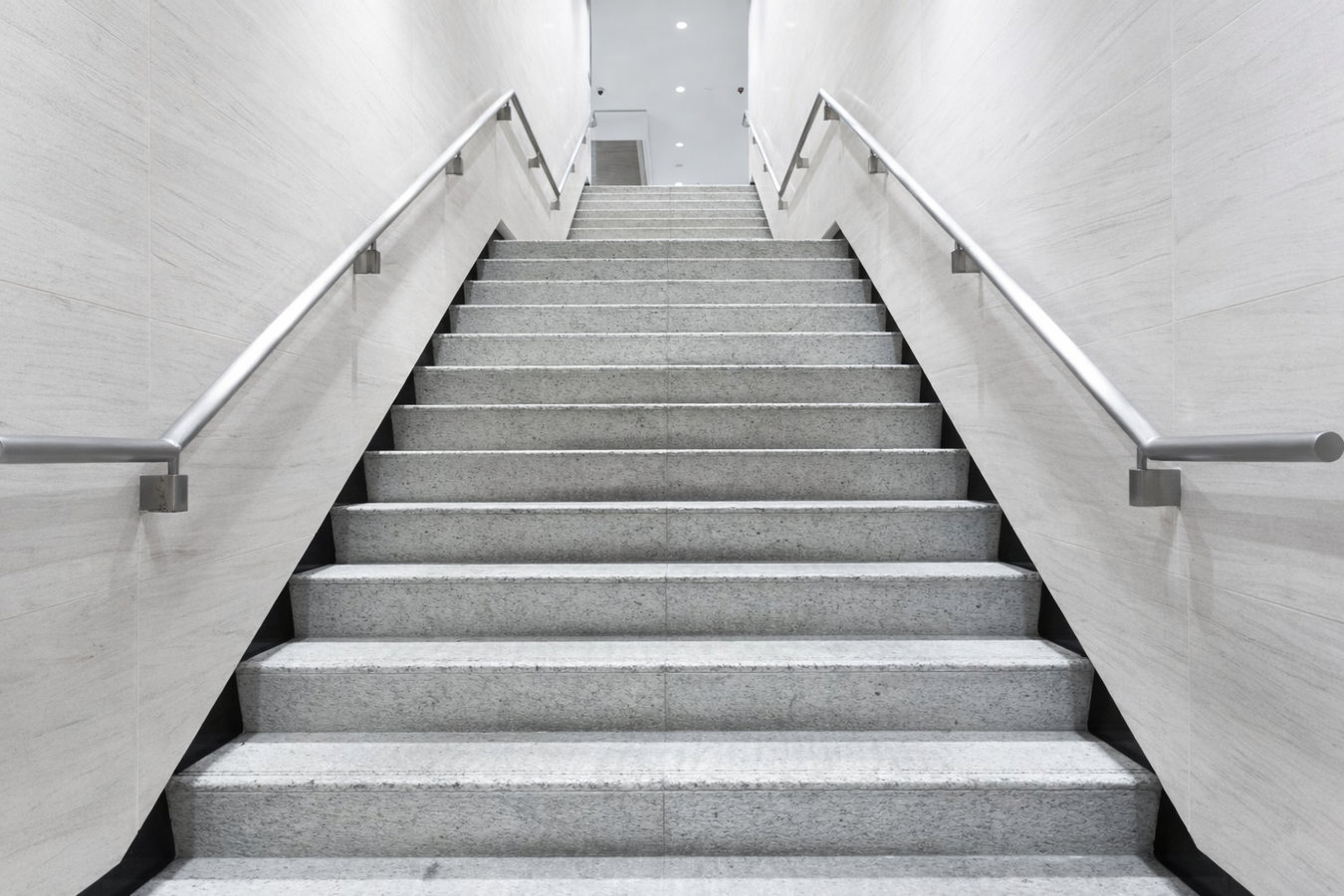
Cracked, uneven, or crumbling entry steps are a fall risk and a first impression problem. We build reinforced concrete steps in El Monte on a properly prepared clay-soil base, with a textured finish that stays safe when the rain finally arrives.
Concrete steps construction in El Monte involves building a wood form in the shape of your entry steps, pouring reinforced concrete, and finishing the surface for grip - most residential projects take one to two days of active work, with a 24-to-48-hour wait before foot traffic.
For homeowners in El Monte, the most important factor in how long steps last is what happens before the pour - specifically, how the soil underneath is prepared. El Monte's clay-heavy soils expand and contract with the seasons, and steps built without a compacted, gravel-reinforced base tend to crack and shift within a few years regardless of how well the concrete was mixed or finished. If your home was built in the 1950s or 1960s - which covers much of El Monte's housing stock - your original steps may have been patched multiple times and simply reached the end of their useful life. A new set of steps, built to current standards, is a more practical fix than another round of patching. Homeowners who also need support for a raised or sloped yard around the entry often pair steps with a concrete retaining wall as part of the same project.
Every project begins with a free site visit. We look at the existing steps, the soil condition, and the access situation before quoting anything - because the ground and the site tell you more than a photo ever can.
Cracks wider than a hairline - especially ones that run all the way across a step or follow the edge - mean the structural integrity is compromised. In El Monte, the clay soil underneath shifts with every wet-dry cycle, and those cracks tend to grow wider over time rather than staying stable. Once a crack is wide enough to catch a toe, it is time to replace rather than patch.
If any step rocks slightly when you walk on it, or if one step feels noticeably higher or lower than the others, the base has likely shifted. This is common in older El Monte neighborhoods where original steps were built without proper ground preparation. Uneven steps are a fall hazard, especially for older family members or guests who are not expecting the change in height.
A gap between your steps and the foundation or door threshold means the steps are pulling away from the structure. Water gets into that gap, which speeds up deterioration and can eventually affect the foundation itself. This kind of separation is worth addressing sooner rather than later.
If the surface is flaking off in chunks or the edges crumble when pressed, the concrete has broken down past the point where patching will hold. Many El Monte homes from the 1950s and 1960s have original steps that have simply reached the end of their lifespan. A fresh set will look better, feel safer, and hold up for decades when built correctly.
We build front and back entry steps for residential properties throughout El Monte and the surrounding San Gabriel Valley cities. Every project includes form construction, a compacted gravel sub-base, steel rebar reinforcement inside the concrete, and a broom-finish texture that provides grip in dry and wet conditions alike. When old steps need to come out first, we handle demolition and debris removal as part of the same scope. We also coordinate permits through El Monte's Building and Safety Division when the project requires them - which is standard for steps attached to the house or any work that changes the entry configuration.
For homeowners whose entry involves a grade change - a raised front yard, a sloped driveway approach, or a backyard level change - steps are often most useful when planned alongside a concrete retaining wall that stabilizes the ground the steps will sit against. Building both at the same time means a single mobilization cost, a matched finish, and a drainage design that treats both structures as a system. Homeowners planning a complete entry makeover can also ask about matching slab foundation work if the area at the base of the steps also needs attention.
Finish options range from practical broom-finish textures to decorative stamped patterns that coordinate with an existing driveway or patio. We discuss your options during the estimate visit and confirm any HOA finish restrictions before the design conversation goes too far.
For properties with failed, missing, or never-built steps - starts with proper ground preparation and a rebar-reinforced pour.
Best when old steps are beyond repair - we break out the existing concrete, haul it away, and build from a clean base.
The most practical choice for a safe, durable entry - slip-resistant texture that handles El Monte's occasional rain after dry spells.
For homeowners who want steps that complement a decorative driveway or patio in pattern and finish.
El Monte averages about 17 inches of rain per year, most of it falling in concentrated bursts between November and March after long dry stretches. When that rain arrives, the clay-heavy soils throughout El Monte and the San Gabriel Valley absorb it quickly and expand. During the dry summer, that same soil shrinks back down. Over years and decades, this movement is what cracks steps, pulls them away from house foundations, and creates the uneven surfaces that become tripping hazards. Older El Monte homes - particularly those built in the 1950s and 1960s - often show this pattern repeatedly because the original steps were not built with a compacted gravel base that cushions against that movement.
California's statewide building standards and El Monte's local permit process exist partly to make sure this base preparation happens correctly. When a city inspector signs off on a set of entry steps, they are confirming the base, reinforcement, and finish all met the standard - which is the best protection a homeowner has against having to redo the work in five years. A contractor who suggests skipping the permit is also suggesting skipping the inspection that confirms the work was done right.
We serve homeowners throughout El Monte and regularly work in neighboring communities, including Baldwin Park, West Covina, and Monterey Park- all of which share El Monte's clay soil conditions and the same pattern of older housing stock with original concrete that has reached the end of its lifespan.
We ask a few basic questions - how many steps you have, whether they are attached to the house, and whether you want the old ones removed. Most contractors will visit before giving a firm price because the condition of the ground and existing steps affects the total cost. We respond to all requests within 1 business day.
If your project needs a permit - which is common for steps attached to the house in El Monte - we submit the application to the Building and Safety Division on your behalf. This adds a few days to the start of the project but protects you with a city-inspected record. You do not need to do anything during this step except wait for the green light.
The crew removes old steps if that is part of the job, then compacts the ground and adds a gravel base for stability. Forms are built in the exact shape of your new steps and the concrete is poured, leveled, and textured - all in a single day for most residential projects. We schedule pours for morning in summer to avoid El Monte's midday heat.
The steps need 24 to 48 hours before foot traffic. If a permit was pulled, the city inspector visits once the concrete has cured - your contractor coordinates that visit. We do a final walkthrough with you, cover the curing timeline, and answer any questions. Most projects are fully complete within one week from pour date.
No obligation. We visit your El Monte property, assess the ground and existing steps, and give you a real number in writing before any work starts.
(626) 416-2401Every set of steps we build is covered by a current California C-8 Concrete Contractor license and full liability insurance. You can check any contractor's license on the CSLB website - two minutes and you know exactly who you are hiring.
El Monte's clay soils shift every wet season and that is the primary reason steps crack and pull away from houses in this area. We compact the soil and add a gravel drainage layer before every pour - standard practice, not an upgrade. The Portland Cement Association's guidelines on subgrade preparation back this approach.
We have navigated El Monte's permit process for entry steps and structural concrete work since 2022. You never need to visit the city office - we submit the application, coordinate the inspection, and get the work signed off on your behalf.
Steel rebar inside the concrete keeps your steps from cracking apart if the ground shifts - and in El Monte, the ground does shift every rainy season. We include rebar on every entry step project as a standard part of the build, not a line-item add-on you have to ask for.
These points are not marketing language - they are the specific things that determine whether your steps still look right and feel solid a decade from now. The Portland Cement Association publishes guidance on concrete curing, subgrade preparation, and reinforcement that informs how we approach every pour. You can also verify our contractor's license on the CSLB website before you call - it takes about two minutes and tells you whether the contractor is legitimate, insured, and in good standing.
If your entry steps are pulling away from the house, the slab or foundation underneath may also need attention.
Learn moreSteps are often paired with a retaining wall when a sloped entry or grade change is part of the same project.
Learn moreSpring and fall book up fast in the San Gabriel Valley - contact us now for a free on-site estimate and a written quote before the season fills.